

Description
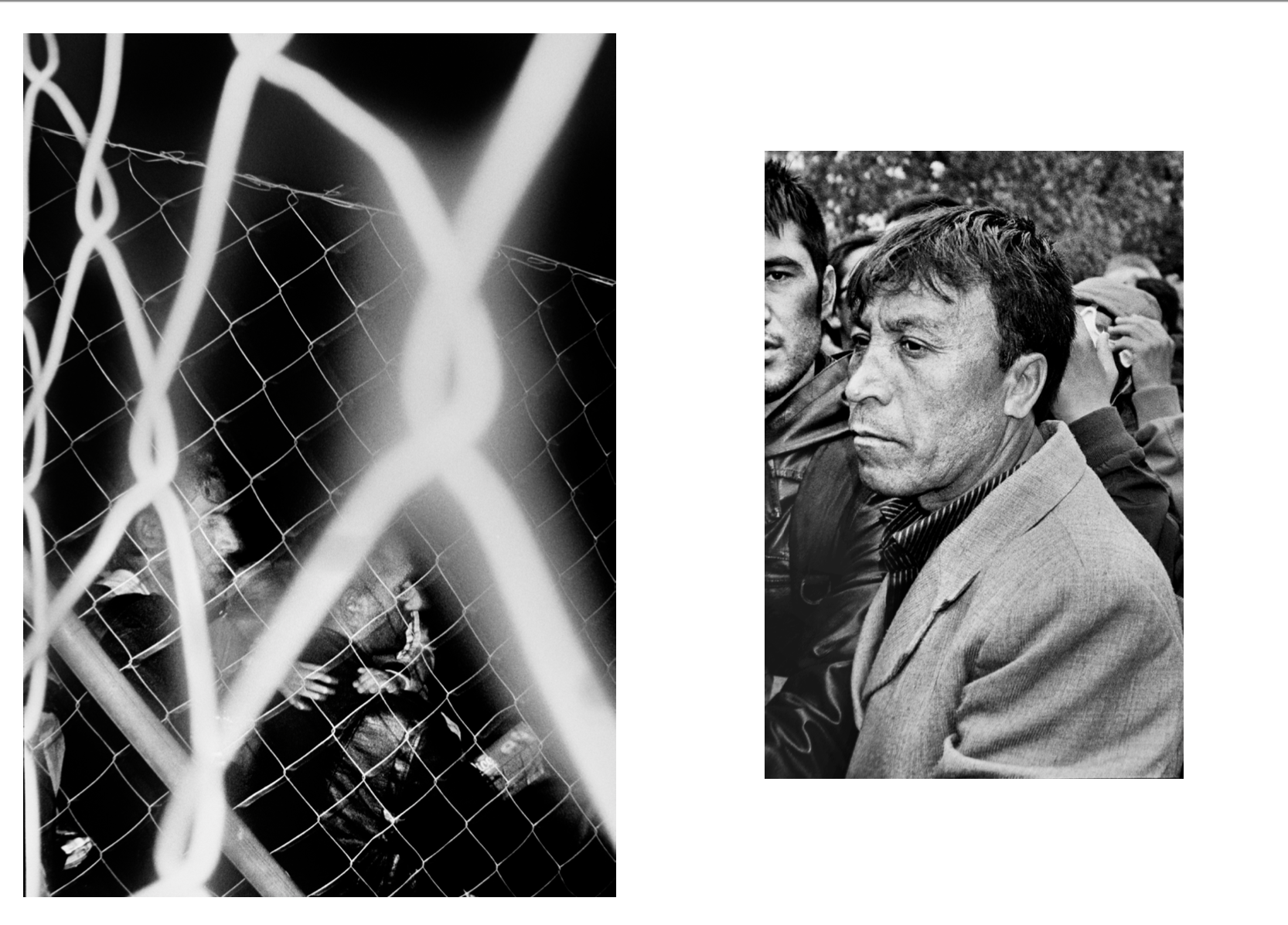
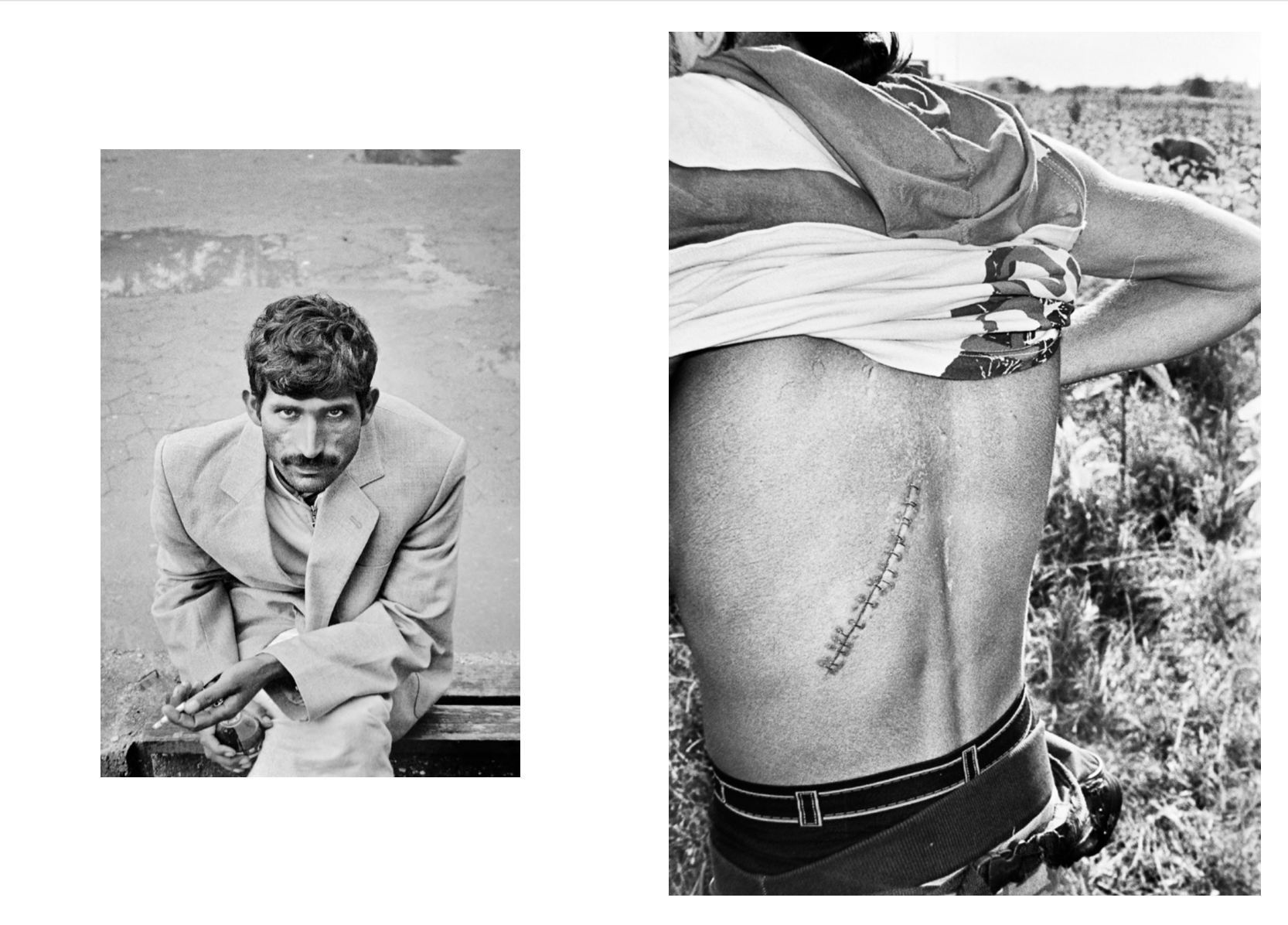
Jean-Marc Caimi and Valentina Piccinni are
a powerhouse duo in contemporary documentary
photography, known for a raw, immersive style
that merges journalistic rigor with a cinematic
edge. Since 2013, they have captured
the friction between humanity and its changing
environments.
Their signature “aesthetic of urgency” is defined
by high-contrast imagery and an extreme intimacy
with their subjects. By favoring psychological
atmosphere over linear storytelling, they document
the hidden subcultures of cities like Rome
and Istanbul.
Paul-Alexis Racine Jourdren founded CetteFamille,
a human-centric, warm alternative to the standard
elderly care model with a mission to ensure every
senior feels loved and socially connected, rather
than just managed. The company’s social impact
was recognized early on and Newfund invested
one year after its launch, in 2017. CetteFamille is
now a member of the Crédit Agricole group and
continues to scale its model of communal living
while keeping genuine human affection at its core.
Paul-Alexis mentors students, specifically
teaching a course on the ‘keys to boldness’
needed to reach their objectives. He also has
a special fondness for Normandy.
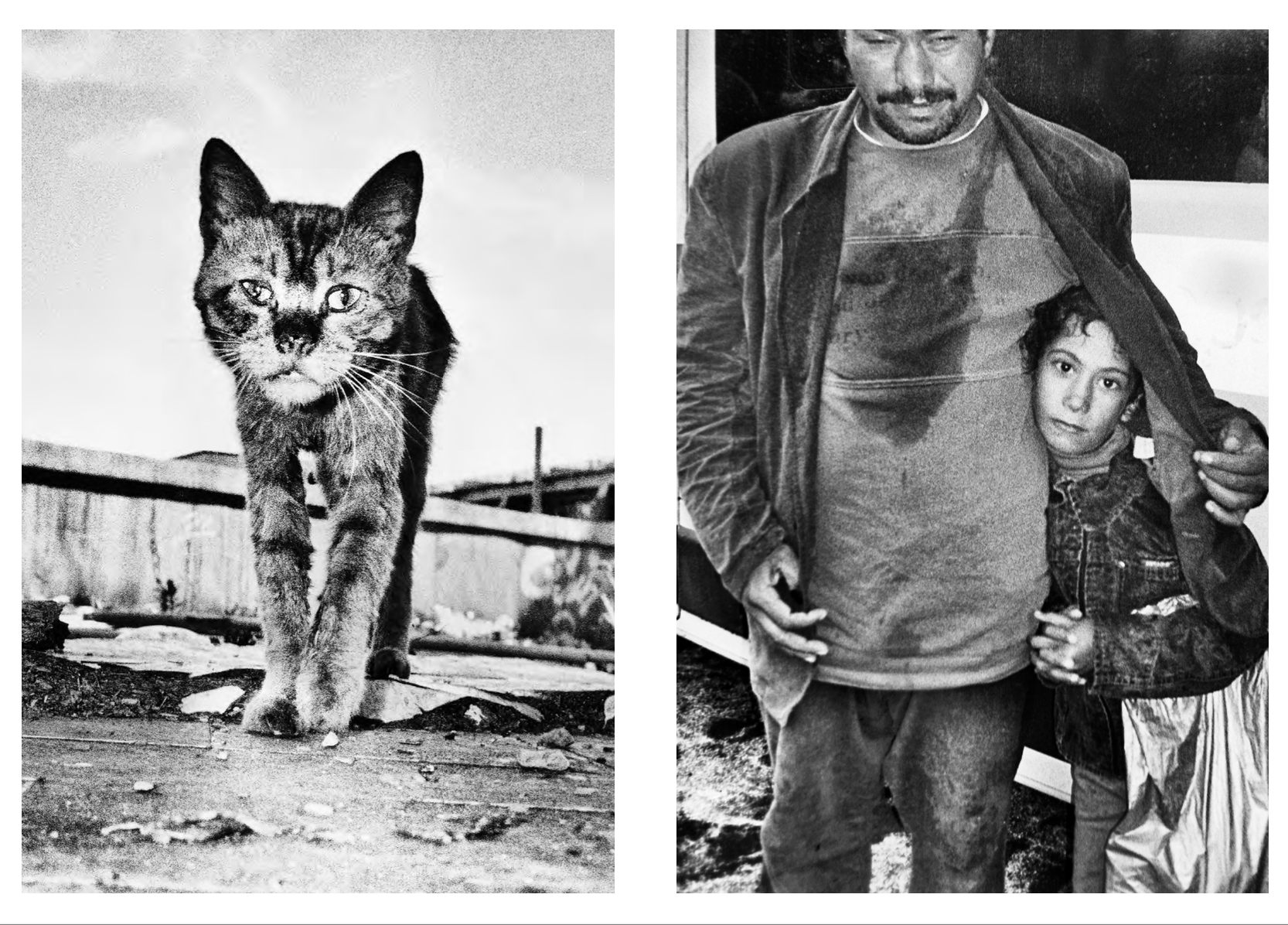
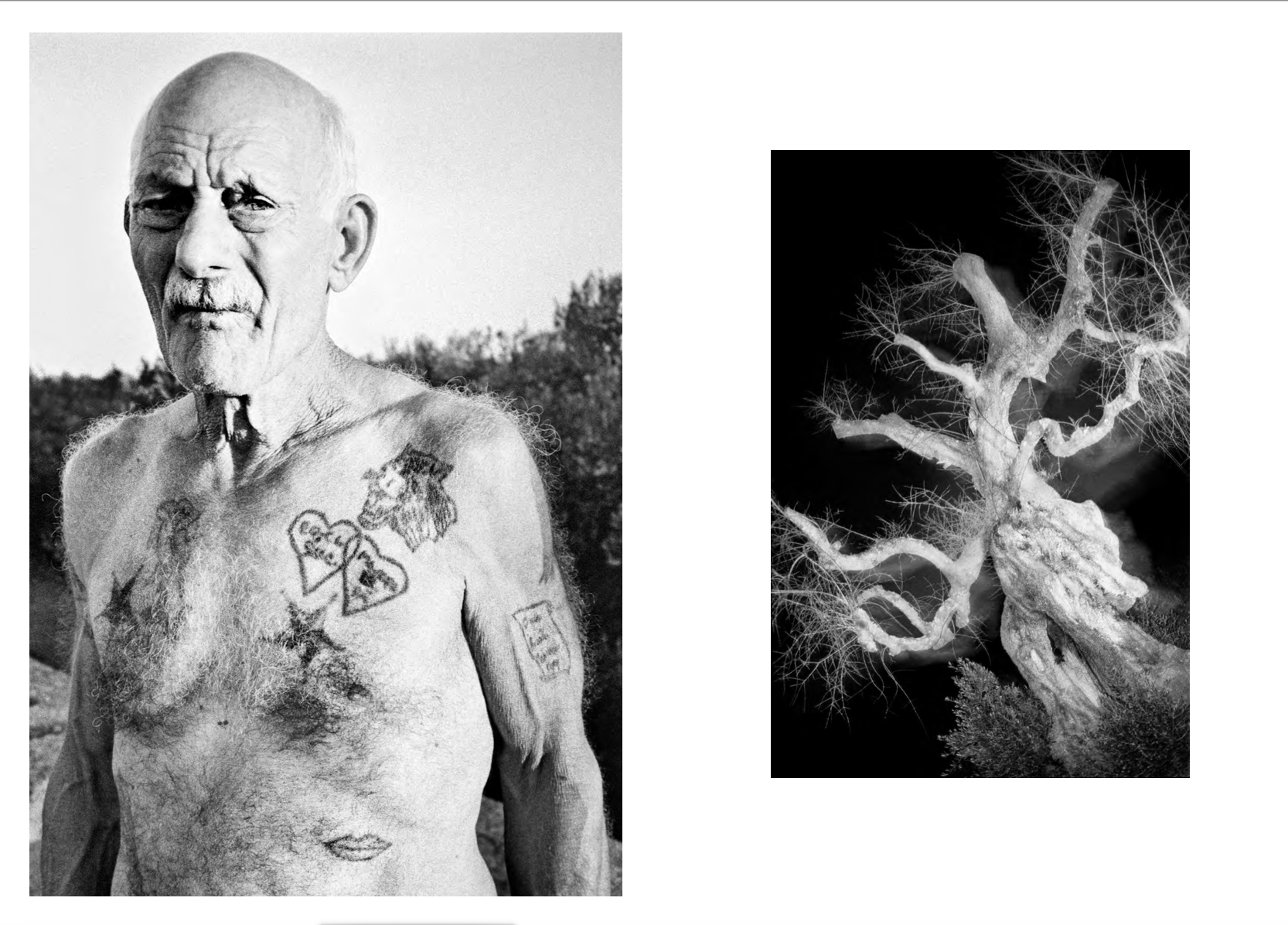
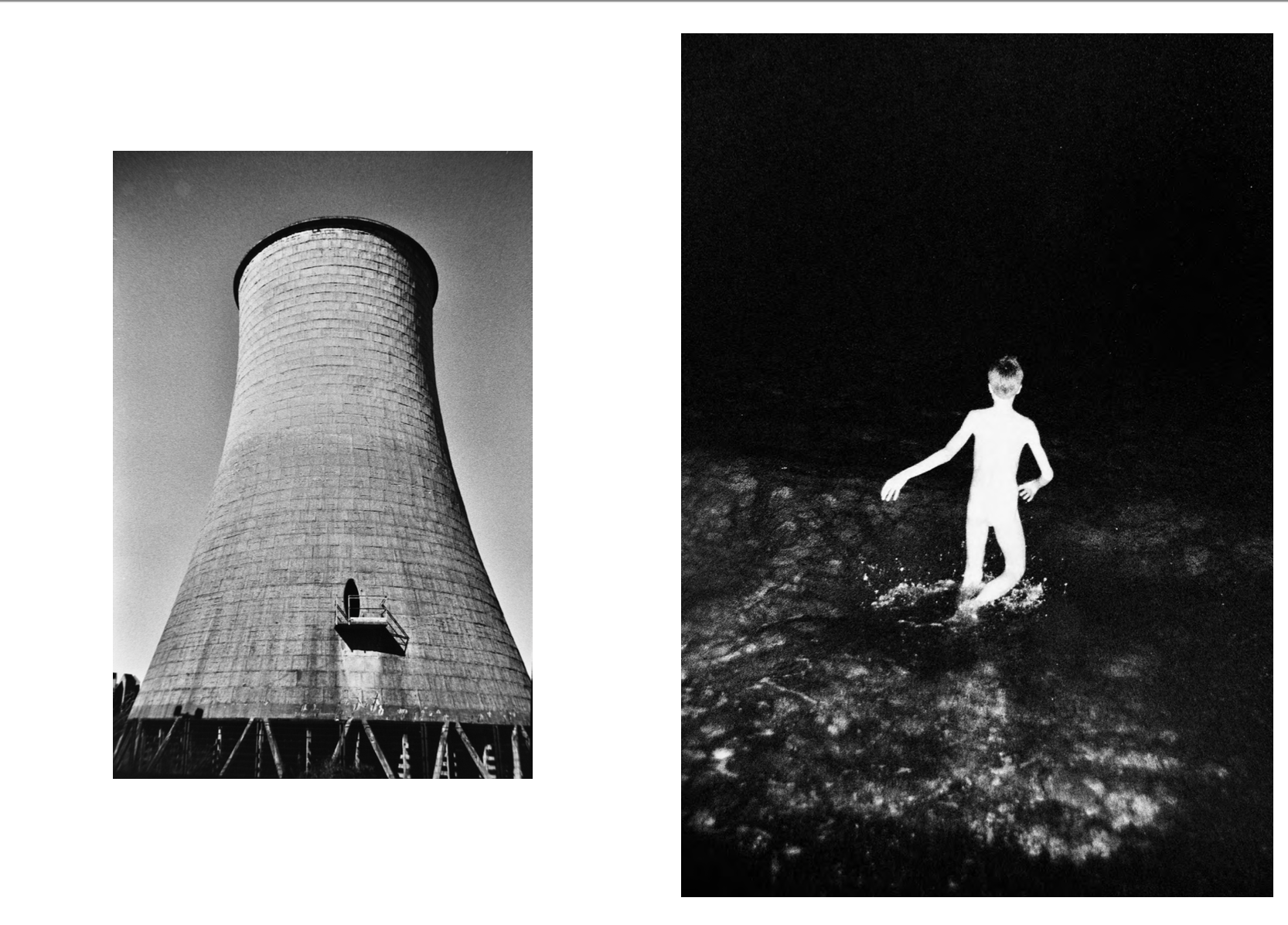
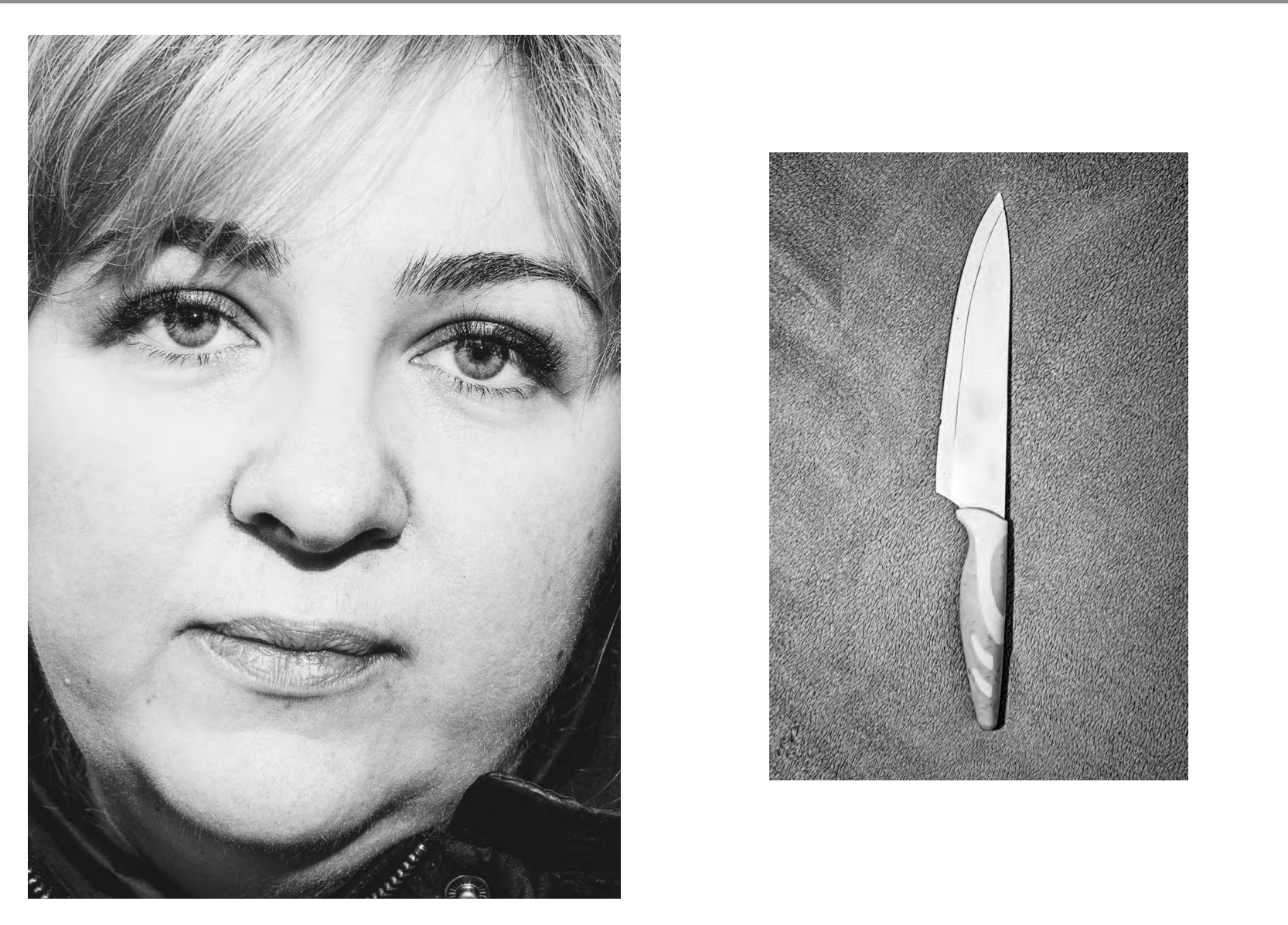
The photographs of this volume are extracted from the following
projects:
• Before The Future Comes Men, women and children on the Balkan
migration route, caught between a country they cannot return to and a
destination they cannot yet reach.
• Libya At The Crossroads The fighters of the uprising against Gaddafi,
stranded in a country Western partners abandoned before it could rebuild
itself.
• No Woman No Cry Ukrainian women and children crossing into Poland
alone, their men legally forbidden to follow, carrying what they could grab
in minutes.
• Güle Güle Fragile communities in Istanbul resist as the Turkish state
progressively dismantled the legal protections that had made their public
life possible.
• The Girls Who Repair Cars Young women in Burkina Faso training as
mechanics in a country where female emancipation is socially hindered.
• Umana Natura As the natural environment transforms radically, human
endurance and the connection with the natural world is put under strain
The defining word I chose for this book
Fortitude is the name behind the vital energy that makes it
possible to create and to build. Everything, however
small, requires courage. This energy, when it is deli-
berate and conscious, is called fortitude. It allows a
person to rise through intentional effort, to persevere
along a path through constant effort. There is no for-
titude without effort. The taste for effort is probably
the genesis of great things and great men. Sustained
by the desire never again to endure a past one wishes
left behind, it becomes the fuel of a future. This is true
for the individual, and it is equally true for a society,
so that it may share a common desire to improve,
to evolve, or simply to preserve what deserves to be
preserved. But the taste for effort takes on its ful-
lest meaning when it is mixed with the taste for risk.
Together, these two things are the source of my defi-
nition of fortitude.
This choice of word is dedicated to those for whom
small things require great efforts and who make
them for others.
This is Fortitude
There is a common mistake made by those who
speak of courage: they confuse it with the absence of
fear. The truly courageous person trembles and acts
anyway. This distinction separates superficial bravery,
spectacular and short-lived, from the deep, quiet, and
lasting virtue the Latins called fortitude.
Fortitude consists of two distinct acts: to leap forward, to under-
take, to attack the obstacle and to hold, to endure, to
remain standing under pressure. And it is the second
that is superior. Not because the initial momentum
is without merit, but because it is infinitely harder to
resist over time than to launch oneself in the intoxica-
tion of beginnings.
Every founder will recognise this landscape. They
know the momentum of early days, when every-
thing still seems possible. But true fortitude reveals
itself elsewhere: in the third winter, when teams
begin to doubt, when the market resists, when the
certainties of the start have been swept away one
by one by reality.
Augustine of Hippo offers the most accurate defini-
tion: fortitude is the love that endures everything for
the sake of what it loves. It thus raises the question
every entrepreneur must eventually ask themselves
honestly: what are they holding on for? If the answer
amounts to profit alone, fortitude will always be fragile.
No one stays standing for a spreadsheet.
What the history of companies that truly last teaches
us is that their collective fortitude is rooted in a mis-
sion that transcends them.
But the particular difficulty for those who practice for-
titude is fighting against their own humility. Its value
only comes when it becomes a culture, a shared nar-
rative, a collective conviction. And for it to become
culture, it must be legible, lived out in daily decisions,
in the moments when the easy path was available and
not taken.
Fortitude is the virtue of those who have found something worth
being afraid for and who know how to pass it on.



Reviews
There are no reviews yet.